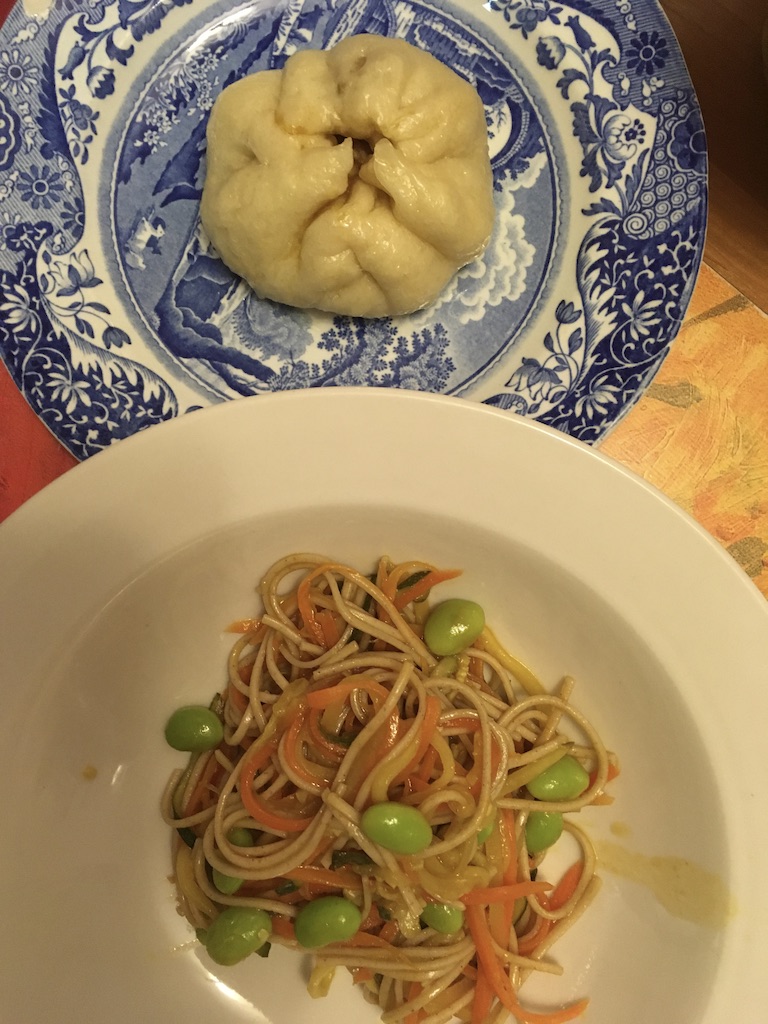
 Chinese chicken dumplings with a side of zoodles, shredded carrots, edamame in a savory sauce

Chinese chicken dumplings with a side of zoodles, shredded carrots, edamame in a savory sauce

No sooner than I say I will start to record synchronicities than I experience one. On my walk this afternoon I had just passed the area where I exhorted the the City of Durham to trim the bushes dangerously blocking one lane of the American Tobacco Trail, when a bicycle came up behind me. I glanced around to reassure the rider that I was aware of him so that he could safely pass when he spoke: “Are you Anne?” Well that took me by surprise. It turned out it was the fellow who supports the American Tobacco Trail on Instagram and Facebook and had requested to reuse some of my trail photographs. We chatted a bit and I confessed that he was the first person to recognize me on my walk. He kindly complimented my photographs and we went on our respective ways. I was en route to pick up a few groceries and on my way back, I stopped waiting for the traffic light to turn thinking about the incredible unlikelihood of being spotted by someone I had never met during a walk along the 22 miles of trial when I looked down and saw this beauty; it was at the same spot where @drpconnelly and I had parted after our chance encounter. It was my lucky day!
In an effort to try to attune myself to synchronicities in the world, I have added it as a category here. I will try to pay attention and document them here. Synchronous events always give me pause and make me wonder so it will be good to remember them. If past ones come to mind, I will note them as historical.


Chickpea-sweet potato masala butter tofu
Movie suggestions from the past few days…
Never Look Away
Best of Enemies
Toilet: A Love Story
Padman
Period: End of Sentence
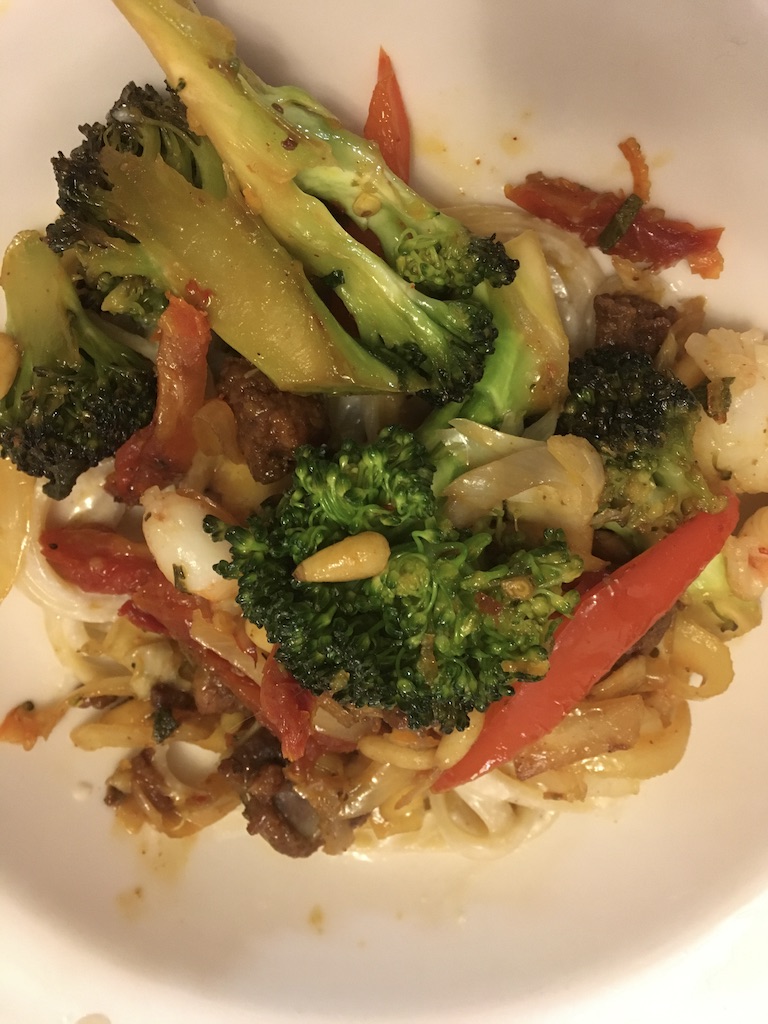
Creamy fettucini with shrimp, broc, peppers, chorizo, artichokes
Mark Charles
Mark Charles
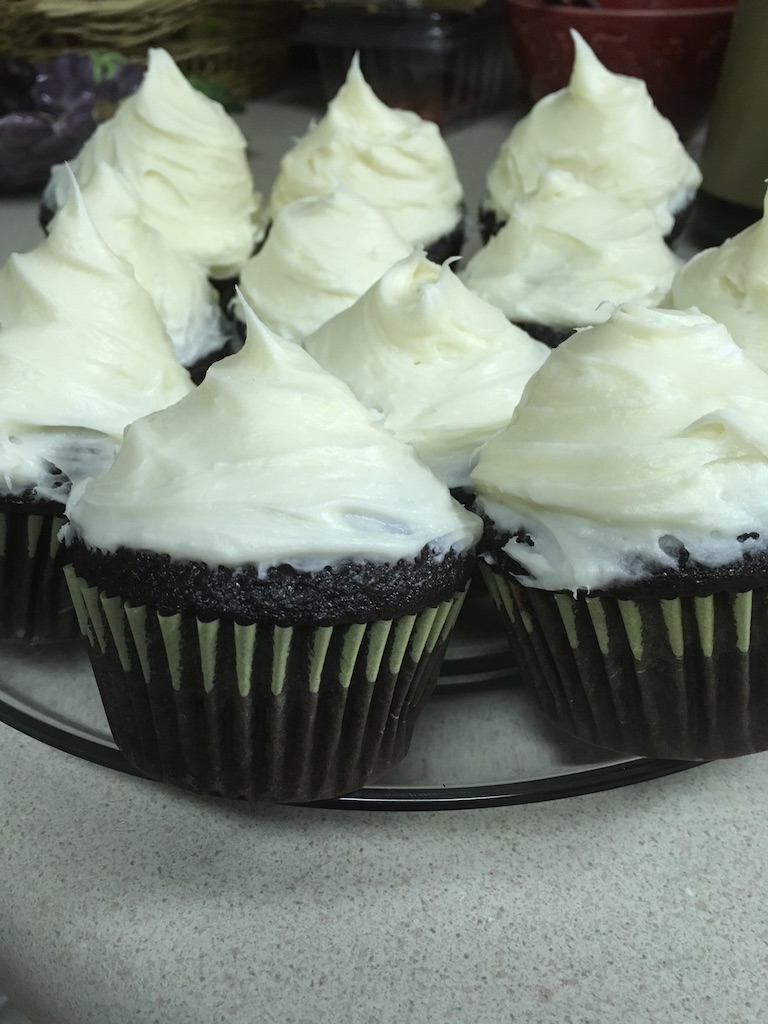
Cupcakes!
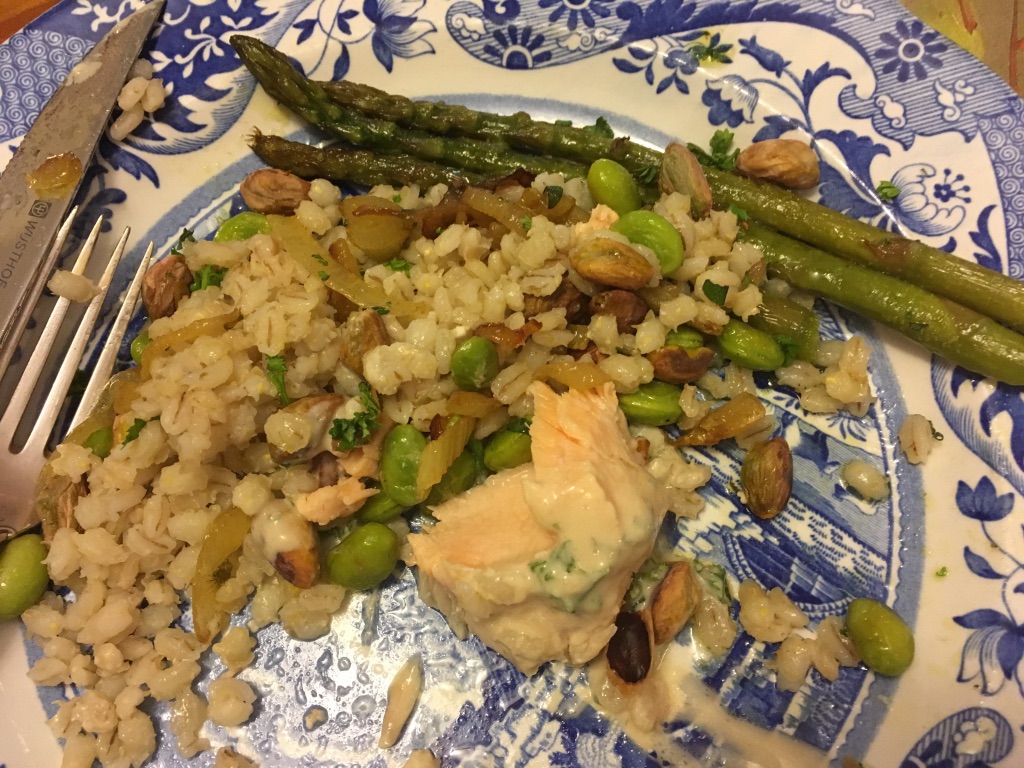
Keep forgetting to take pictures of our meals. Here are the last bites from tonight’s poached salmon, asparagus/onions/fennel/edamame, barley with a preserved lemon/miso/parsley/yogurt sauce then sprinkled with pistachios and parsley!
As you can tell from some of my other creations, I love triangles! So, when I started looking at marginalia art from medieval illuminated texts for the Salon Postisme(more on that soon), you can imagine how tickled I was to find this cutie:

Reading about Black Theology of Liberation as developed by James H. Cone:
The Cross and the Lynching Tree, James H. Cone, 2011.
A Black Theology of Liberation, James H. Cone, 1990.
Black Theology & Black Power, James H. Cone, 1969.
Go Tell it on the Mountain, James Baldwin, 1953.
Religion & Violence: James Cone Interview (video)
Bill Moyers Journal: James Cone (video)
https://livingchurch.org/2018/05/14/the-glorious-complicated-legacy-of-james-h-cone/
https://www.christiancentury.org/article/first-person/what-i-learned-student-james-cones (there are links on this to other articles)
Billie Holiday singing “Strange Fruit” (video)
Hope to have thoughts as I read, listen, reflect and learn more.
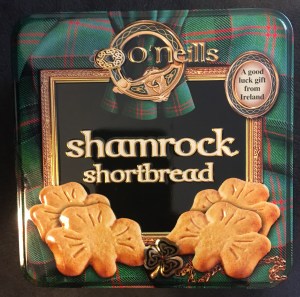
This arrived in the mail (from Ireland!) to celebrate St. Patrick’s Day. Isn’t that cool?


Irish Soda Bread — Happy St Patrick’s Day!


Vegetarian lentil soup, cornbread and tart cherry pie (for Pi Day+1)
 attentiontolife.com