Author: Anne Doyle
Afloat
Play?
Cutting corners
Ecological
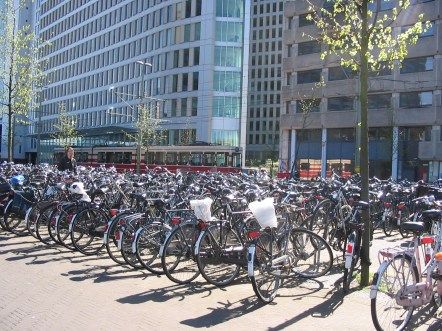
Party
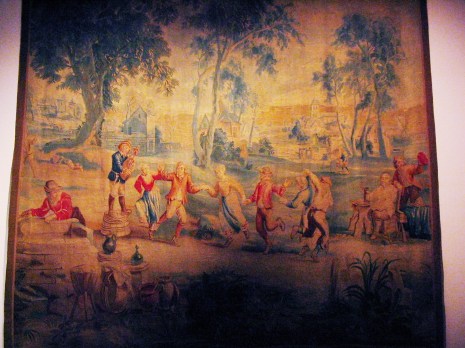
Words
The writer should never be ashamed of staring. There is nothing that does not require his attention.
–Flannery O’Connor, born 25 March 1925
Puzzling
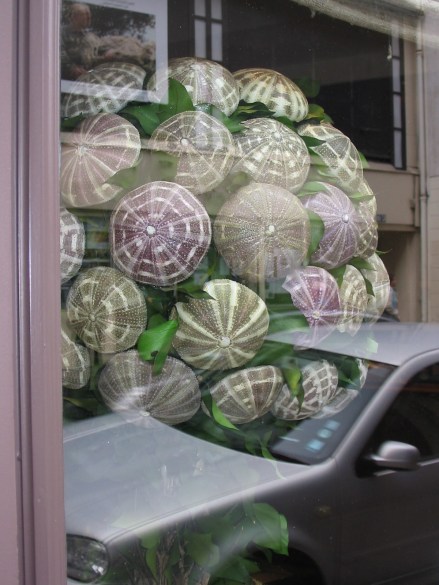
Wonder
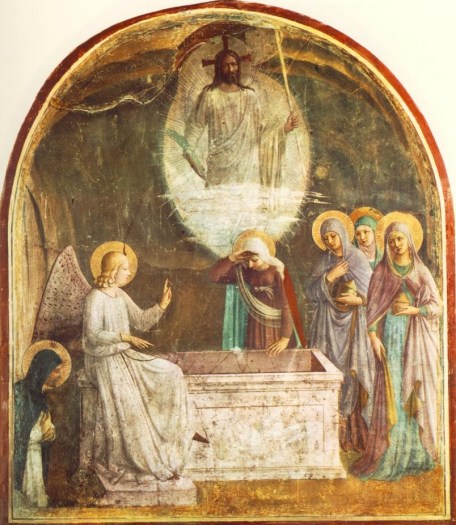
Uncertainty
Sorrow
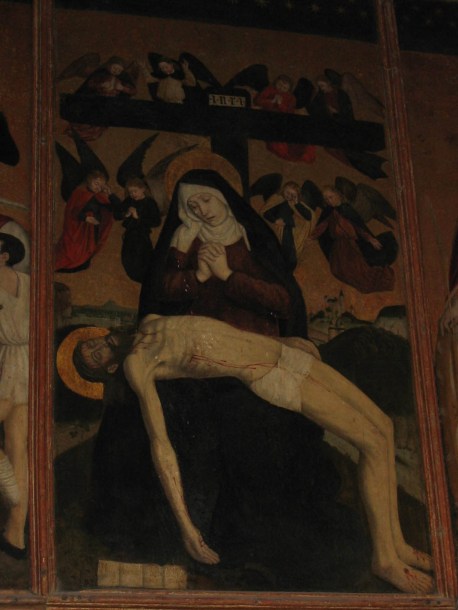
Le Retable de la Pietà
Louis Brea, 1475, Eglise des Franciscans de Cimiez, Nice, France
Words
When the artist is truly the servant of the work, the work is better than the artist; Shakespeare knew how to listen to his work, and so he often wrote better than he could write; Bach composed more deeply, more truly than he knew; Rembrandt’s brush put more of the human spirit on canvas than Rembrandt could comprehend.
When the work takes over, then the artist is enabled to get out of the way, not to interfere. When the work takes over, then the artist listens.
But before he can listen, paradoxically, he must work. Getting out of the way and listening is not something that comes easily…
—Walking on Water: Reflections on Faith and Art, Madeleine L’Engle, 1980
Ambiguity
Jolly
Desolate