Notes

What an inspiration!

The Who Harnessed the WindWow! I just finished this book, The Boy Who Harnessed the Wind by William Kamkwamba and Bryan Mealer, and am fascinated by the story.

It begins with the life of William in Malawi and ends with how his curiosity and persistence led to life changing events. And all of it is wondrous. From the descriptions of his village and the people who live there to the story of how his father met his mother to the devastating famine in Malawi to the creation of his own windmill, the story is told simply and tenderly. It ends with an update on William’s life and how his own ingenuity is allowing him to flourish and to assist his village as well.

I couldn’t help but marvel at what it took for William to build the windmill that generates electricity. He had only a book or two from the three shelf local library’s, and none was a “how-to” manual. He used scraps of metal and wood cleverly and was often forced to substitute one seemingly irreplaceable component with something rough. He didn’t discover electricity…but he did find a way to create it using only the simplest of materials. His first public description of how he did what he did: “I try, and I made it!” And that creation has taken him into the wide world.

He has now been many places describing his innovations and serving as an inspiration to others who have less. Perhaps the most important consequences of his travels have been his validation by others and his realization of how other cultures developed: “Seeing this, it gave me even more confidence that we Africans can develop our continent if we just put our minds and abundant resources together and stop waiting on others to do it for us.”

Listening

Fair weather friend?

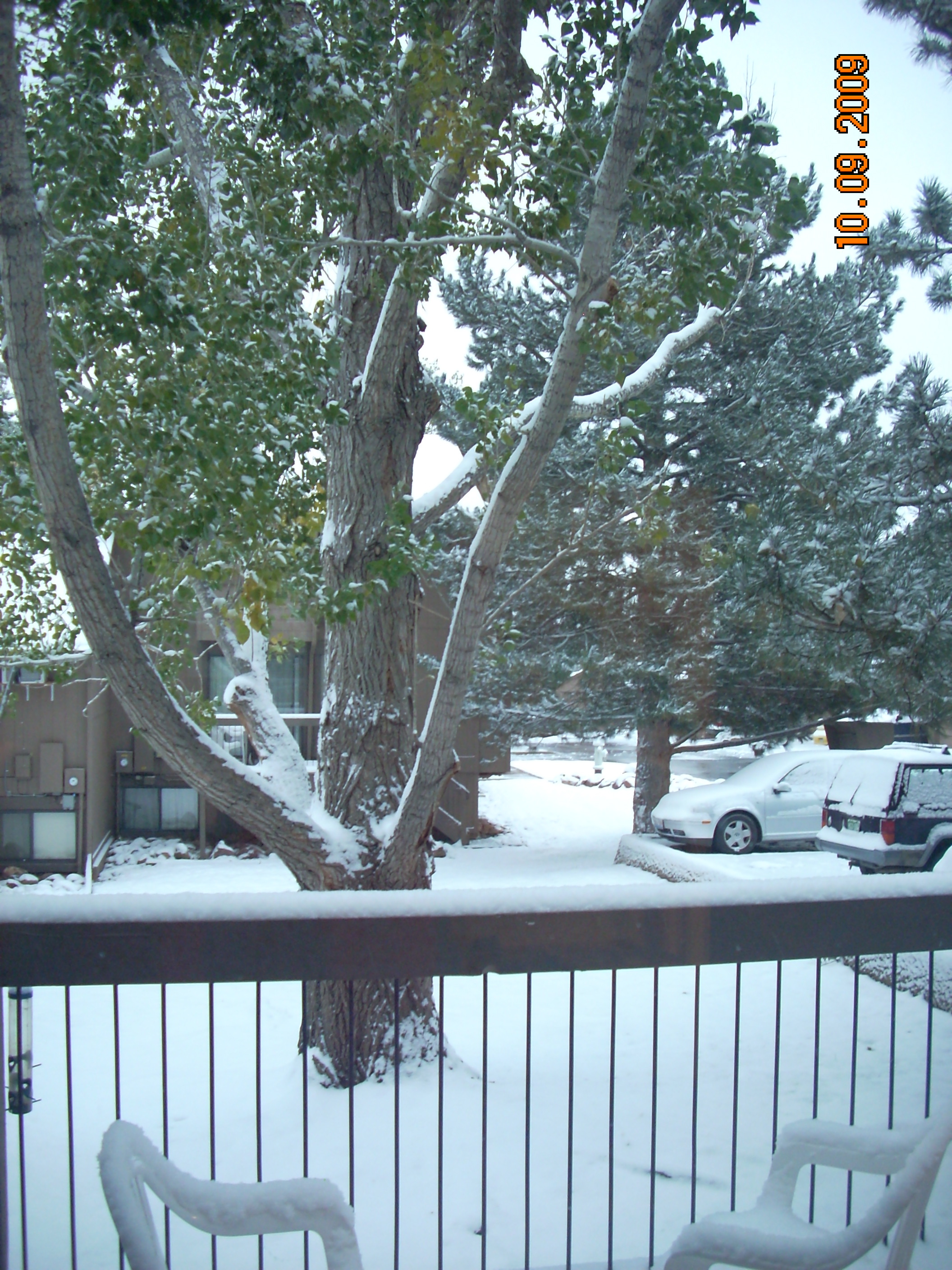
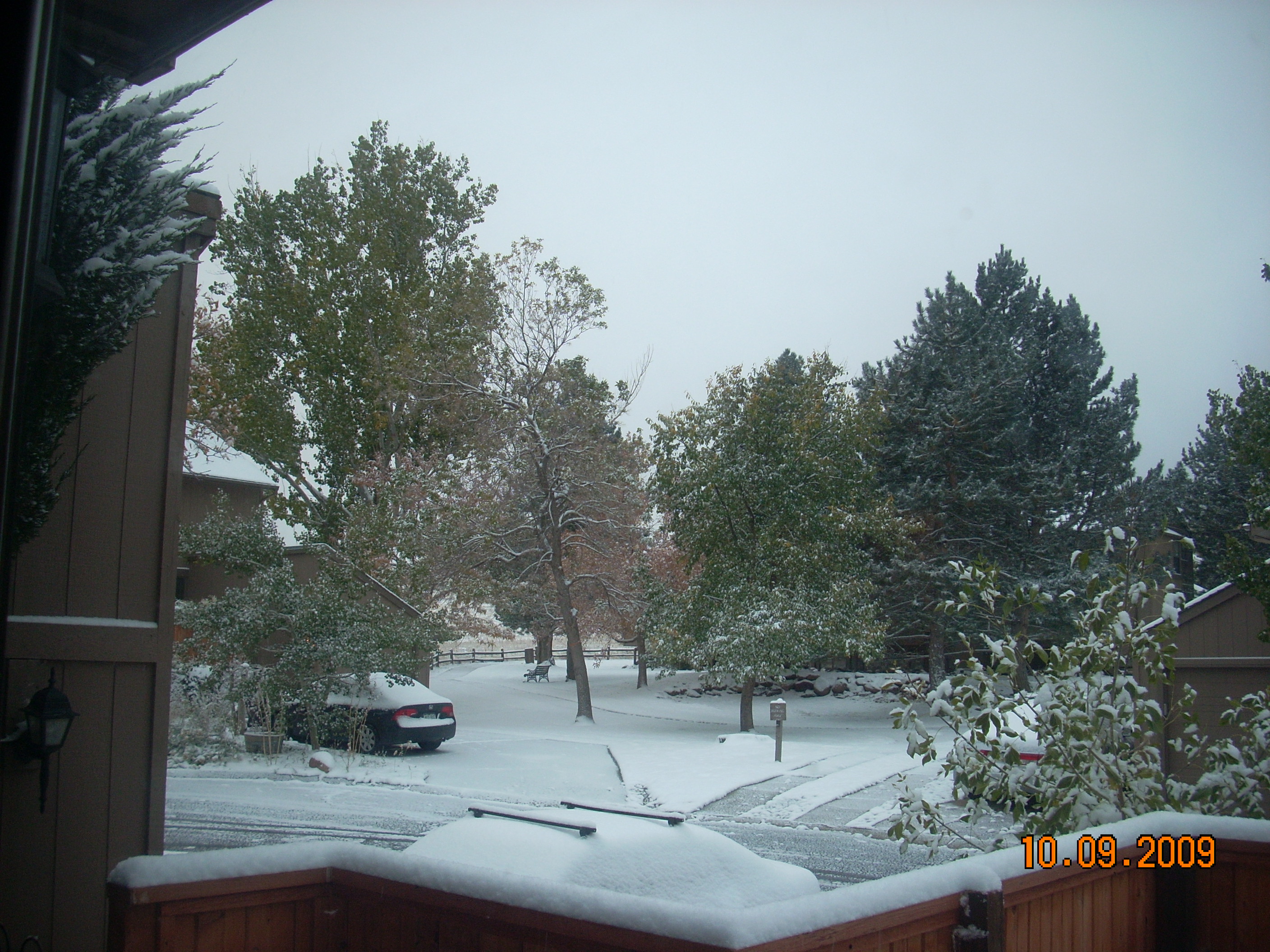
“Scrrrrritchhhhh….sssscrrrraaape…,” were the sounds that roused me from my slumber in the wee hours of the morning. Could that be someone clearing the driveways of snow? Snow? Was it supposed to snow? I had heard something on the radio about possible flurries, but enough to scrape?

I pulled myself back deeper under the covers with the schedule for the day loosened and running wildly in my head. I wanted to go to the 7 a.m. Eucharist this morning; then I was to meet a friend for coffee; then another friend for lunch; and tonight I have a class. “IT CAN’T SNOW!”

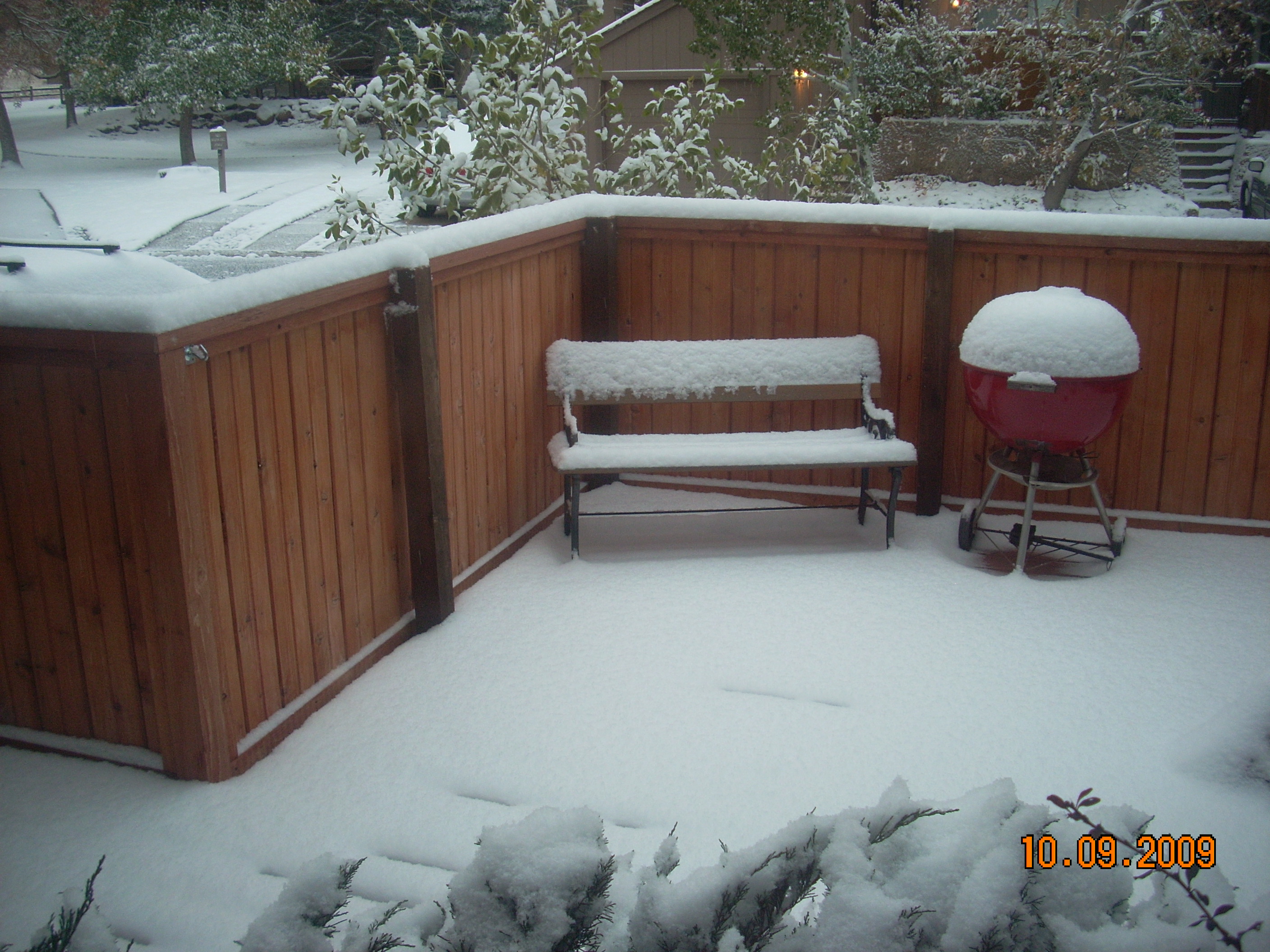
But sure enough when the alarm finally sounded and I rousted myself free of those warm blankets, I peeped out to see the ground covered with white. And it was still coming down.

No one had asked me whether it was a good time to snow. I didn’t have a choice; it was here.

During the middle of the last snow, I sat in the tire dealer’s store having studded tires put on the car, a purchase that prepares us for the necessary trips out into white weather but doesn’t increase our desire to interact with it. So I could go ahead with all my plans; though never having been a boy scout (or girl scout either for that matter), I am prepared.

Still I hesitated. I thought of the mess on the roads, of the drivers being uncertain of the pavement conditions go faster, of all those who did not get their vehicle prepared. Should I go anyway?

I decided no; I would not go out for the first two events; why risk it? It is a safe choice. And later in the day I could reassess the others.

Hoping to feel resolute and confident, I realize that instead I have guilt and wimpiness. But I also feel this is right. Or is it simply one viable option among several?

Sitting to reflect on this mishmash of emotions elicited from such a commonplace event, I realize that this small decision is like so many larger ones: Trying to take every facet into consideration, realizing that it is not just how I feel about my choice but how it is seen by others, being safe because the risk is difficult to determine, seeing both sides while attempting to block out all but one clear answer…

I look over and see my furry companion unbothered by any of these mental gymnastics, eyes at half-mast, paws tucked under his luxuriant coat. He’s doesn’t worry about such things; for him choices are easy. I consider the warm spot I left in the bed and wonder what would happen if I tried to rekindle that comfortable dozy feeling I had before the scritch of the snowplow, but know that the day has moved on. Escape rarely works and I have much I want to do, it is just different from what I had planned. I reach over and scratch under that delicate chin to hear the purr that escapes.  I am thankful to live with one who doesn’t second-guess.

Listening

Energy Justice

Last Thursday and Friday I attended the Energy Justice Conference at the University of Colorado in Boulder. It was organized by Dr. Lakshman Guruswamy, Director of the Center for Energy and Environmental Security at the School of Law. More than forty speakers representing multiple disciplines took us through the challenges facing the energy oppressed poor (the one third of the world’s population that has fire as its only energy source) and the consequences of their lack of options. It was more than eye opening. It was at once both distressing given the dire situation of so many billions of people and hopeful to realize that many realize their plight and are working diligently to ease their circumstances.

The challenges, however, are enormous and the solutions are not simple. People who rely on fire to cook their foods, heat and/or illuminate their homes suffer extreme indoor air pollution. The pollution comes from the production of black soot and other toxic substances resulting from incomplete combustion of their fuel source, usually wood, dung, or charcoal. The indoor air pollution especially compromises the health of the women who cook and the children carried on their backs or kept close. Because the fires often sit on the floor of the homes, many in the home suffer severe burns. And the physical labor of the women and young girls who carry the fuel, often across miles daily or every other day, is considerable. The burden of these loads often leads to injury and almost invariably discomfort.

The environmental impacts from those who use fire are serious as well. There is the obvious problem of wood being stripped from the ecosystems causing (often severe) erosion and degradation of the soil. And the production of black soot is almost as serious a threat to the Earth’s atmosphere as the excess of carbon dioxide produced by fossil fuels, though it receives considerably less attention among the climate change monitors. Black soot has among its other threats the problem of settling on ice packs and speeding the melting of glaciers.

There is no grid of electrical services into which the energy oppressed poor can plug. It seems they are condemned to live under increasingly difficult circumstances (drought, floods, food shortages, war) caused by the other two thirds of the world’s population. They, whose resources are most fragile are least able to bear the burden of extremes, are the first to feel the negative impacts. No alternatives seem to exist. Or do they?


Reflecting

Isn’t this what it boils down to for many of us?


Last week it suddenly turned cold here in Boulder, not just a few degrees colder, it dropped from about 60 degrees F one day  to 18 degrees F the next.  It snowed too.  Thankfully, it wasn’t windy.

My family and I were not ready for the change.  We piled on extra layers, wore heavier clothing, put lap blankets and drank warm beverages, but still we felt cold.

So, we did what most of those we know do, we turned up the thermostat.  We tried to just keep heated the areas of the house that we were in, a feat made much easier by having temperature controls in each room and closing door, but we found it difficult.  We whined about the cold and moaned about how uncomfortable we were.

In fairness, we hadn’t had much of a chance to get acclimated and to seal all the cracks and crevices in the insulation.  Still, it begs the question of would we able to bear the discomfort of climate irregularities?  And what would happen if we had drastic changes rapidly?  And worse still, if we didn’t have the magic thermostat to adjust to make it all better?  It is difficult to fathom.

I’ve read of houses being built now that are so well insulated they barely require any heat at all; the warmth generated within the house stays in.  As I sit here now and feel a slight movement of air from the gaps in my office window, I know how much we could benefit from securer seals.  The know-how is there to reduce our need for the thermostat, but we don’t do it.

What will it take for all of us to get serious about climate change?  How drastic will it have to be?  After the experience of the past weekend, I wonder more about my tolerance.  We don’t have air conditioning and we manage to tolerate the heat of the summers quite comfortably.  What makes it so much more difficult in the winter?

What does my little thermostat have to do with the big, BIG problem of global climate change?  A lot, I’m afraid.  It represents individual over community, self over other, comfort over necessity, same ol’-same ol’ over change, economics over people…

I hope that with some reflection–and maybe some warm woolies–I can find the way to keep the heat down and the energy for change flowing.

For more posts about climate change from around the world, click www.blogactionday.org.

Seeing

Look who passed by

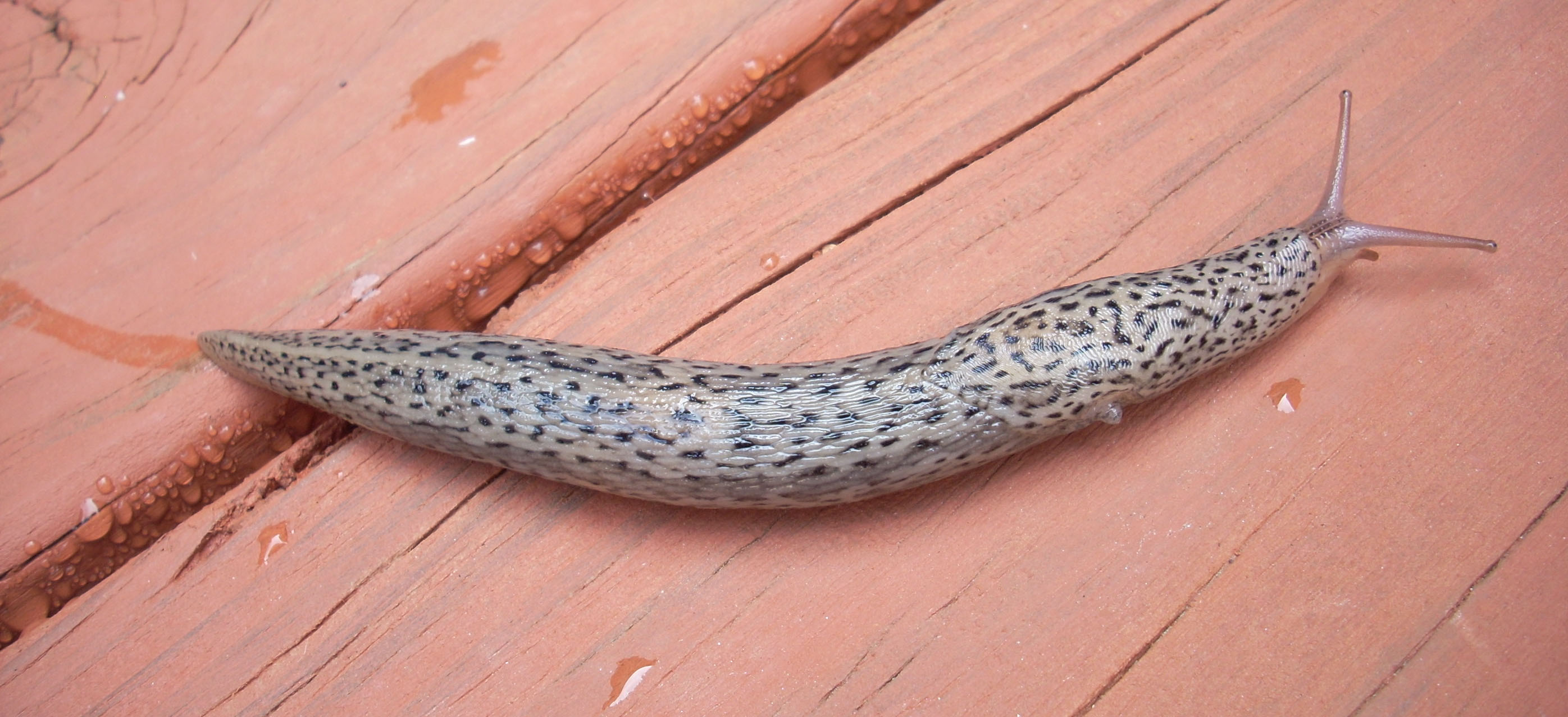
our visitor at lunch time

K arrived home for lunch and said, “You want to see what’s on the deck?  It’s really big!”

We followed her and she was right.

Where was it going?  From where did it come?  Did it know about the snow that was coming?

We put it out in the garden.  I hope it found a cozy spot…away from the pumpkins.

Notes · Reflecting

A great idea that values others

Yesterday I attended a luncheon held by a new friend that I haven’t known very long and don’t yet know very well. The invitation read:

I’m organizing a lunch for the most interesting women I’ve met recently on Sept 25 (Friday) at my house. Could you come? As it turns out, I think that none of the women know each other except for me! So it will be especially fun. Please say yes.

My response? “Of course! How could I decline?!”

I am really glad I went. We were ten and I, in fact, only knew one woman other than the hostess. And what a group they were: artists, statisticians, counselors, teachers, writers, volunteers, aging specialists, researchers, listeners, social activists…and that’s just what I remember from their personal descriptions. Wow!

The conversation was wide ranging with participation by the entire group; no one was silent. Each story stimulated a new story with no sense of one-upping. There were no awkward silences and yet no prompts were necessary. No one took over the floor but no one held back. The group was dynamic, interesting, and interested.

The meal was delightful: a composed salad of all sorts of vegetables and greens, crusty bread with butter, and a perfect dessert of vanilla custard with a chewy cookie. It looked so lovely on the table that we hardly wanted to sit down to devour it.

What a truly special event! I felt valued by someone that I knew only a little. And I felt honored to be included among such a fine group of self-aware, competent and articulate women.

Thank you, Gretchen.

Words

Perhaps we need to learn to break frame?

For most people, to understand something new requires a cognitive antecedent. When members of the Me’en tribe in Ethiopia were shown a coloring book that included an illustration of a local antelope, they didn’t recognize the animal. They would smell the paper, twist it in their hands, feel its texture, listen to its sound, and even taste it gingerly, but they couldn’t discern any animal from its picture alone. When anthropologists transferred the drawing to cloth, a material with which the tribe was familiar, a few of the tribespeople could make out something…Scientific experiments repeatedly show that groups of educated, urbanized people pay no attention to unfamiliar objects directly in front of them if they focus too strongly on the familiar ones. What we already know frames what we see, and what we see frames what we understand.

Blessed Unrest, Paul Hawken, 2007

Reflecting

Ms. Tobin

One month ago today a friend of mine died. She was 94 years old and by all reports had a rich and full life. I first came to know her just a few days after her ninety-third birthday so what I knew of her life I learned when she told me her stories.

She and I visited almost every Friday afternoon in the hour and a half before they served dinner in her residence. It was a good time to go because the day for her had been long but when I left she was ready to join the other diners. She would leave me to bound up the stairs (literally…I couldn’t keep up with her) and cross over to the other building so she could avoid the crunch in the elevators. She didn’t like to go down too early and have to wait for a long time, but she definitely didn’t want to be late.

I say we visited most every Friday because I didn’t see her at all during the summers; she went to Montana in early June and stayed until late August. She loved Montana. It was where she was born and raised, along with her many siblings. From the time she was knee-high to a grasshopper, she spent the summers with her family on the lake. At first it was just an outdoor campsite, but as more children came along and her father sought refuge fishing and hiking, her mother made it clear that she needed walls and a roof to house them. So, Ms. Tobin’s father built a cabin. And despite the destruction of that place and the relocation to a new spot higher on the lake (what a story that was!), she returned there every summer, eventually with her own brood.

And this summer was no different. When she packed to go back in June, I stopped by to see if there was anything she needed. She was up to her elbows trying to sort and sift. Her daughter and her family were going to pick her up on their way from Kansas City and Ms. Tobin didn’t want to take up too much room. The air crackled with excitement as she considered the right sweater, which jewelry, how many socks. We didn’t even sit down to talk as she was busy with her preparations. She had notified her residence of the date she would leave so they wouldn’t worry when she didn’t show up for dinner; she had organized her papers and pictures. When we parted, I hugged her and gave her the French bisous as was our custom. She took my hands in hers and thanked me for coming and for being her friend. I wished her a bon voyage and said I looked forward to hearing all the stories of her summer when she returned. She waved and blew a kiss. She was ready to go.

The next thing I heard was that someone had called from Montana to say that she ill and asked if her name could be added to the prayer chain. I worried that this was ominous news but waited to hear more. Finally on the twelfth of August as no updates had been forthcoming, I felt like I just had to know how she was and called her son who lived nearby. There was no answer so I left a message. He called back the next day; she died the day that I had called.

It’s sad to think that I won’t see Ms. Tobin again. I will miss her stories of Montana, the adventures of her childhood, how she played the organ in Gunnison, when she become a sorority mother, how she built the new cabin, the happenings of her children and grandchildren; but what a blessing that she was able to return to spend the summer on the lake with her family one last time.

Ms. Tobin loved God and her family. And I loved Ms. Tobin.